Tutkimusuutinen tästä:
https://www.telegraph.co.uk/news/2024/0 ... f-stanton/Lainaa:
Push for vegan diets ‘is based on bad data’
Eating only plant-based foods could cause nutritional deficiencies, report says
Madeleine Ross,
5 February 2024 • 2:03pm
Major studies recommending plant-based diets as healthier are based on bad data and flawed assumptions, a leading academic has said.
The Global Burden of Disease (GBD) Study, which was published in 2020, found nearly 900,000 deaths worldwide in 2019 were caused by the consumption of red meat, making it the fifth leading dietary risk factor.
But the influential study underestimated the importance of it being easier for bodies to take in proteins and micronutrients from meat than plant-based food, a new report suggests.
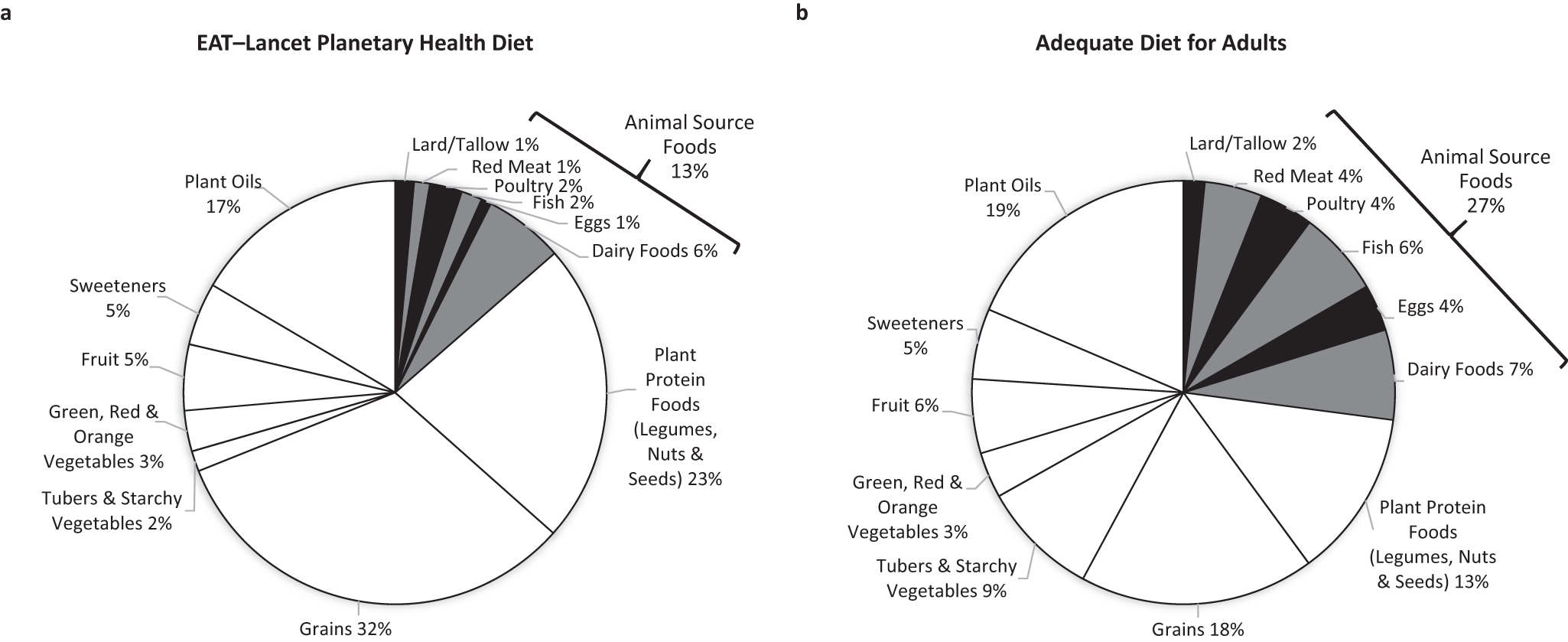
The report, by Prof Alice Stanton of the Royal College of Surgeons in Ireland, also states that the diet described in an EAT-Lancet Commission on Food, Planet and Health’s report, published in 2019, would not meet nutritional requirements for adults.
Researchers argue that unprocessed red meat delivers most of the vitamin B12 intake in human diets, and plays a major role in delivering other minerals, as well as important compounds for metabolism, including taurine and creatine.
The NHS advises that red meat – beef, lamb and pork – is a good source of protein and can form part of a balanced diet. But the health service warns that eating more than 90g daily can raise the risk of bowel cancer.
Prof Stanton said: “There are a number of very influential groups that have published reports which indicate animal-source foods and particularly red meat cause human health problems, heart attacks, strokes and cancers.
She said they have “had a huge influence on policymakers on heading towards an almost completely plant-based diet.”
However, Prof Stanton said that some of the recommended plant-based diets would cause nutritional deficiencies, including anaemia, especially in the young and elderly.
She explained that the evidence around whether excessive consumption of red meat causes strokes, cancers and heart conditions was “extremely uncertain” and “shouldn’t be used to guide policy decisions”.
Prof Stanton said the original versions of the flawed reports have not been corrected, and are still influencing diet recommendations from international bodies, including the World Wildlife Fund and the Nordic Co-operation.
Published in the npj Science of Food journal, the new report states that the finding of the GBD study was based on a faulty assumption. When considering whether red and processed meats could be low-risk, the study did not take into account the contribution of moderate consumption towards nutrient adequacy, Prof Stanton writes.
While GBD collaborators confirmed that this error would be changed for later reports, and more recently have said that the optimal intake of red meat could be as high as 200g per day, no corrections have yet been made to the original study.
The article states: “Despite many of these errors and limitations being publicly acknowledged by the GBD and the EAT-Lancet authors, no corrections have been applied to the published papers. As a consequence, these reports continue to erroneously influence food policy decisions.”
It is not the first time the studies have been challenged. In April 2023, nearly 100 food experts challenged the claim that meat-eating causes disease and is harmful for the planet in a special issue of Animal Frontiers.
Another paper found that there was no good evidence to support red meat being dangerous below an intake of 75g per day, and argued that the link between red meat and disease vanished when part of a healthy diet.
A spokesman for the Lancet Group said: “The GBD 2019 Article, EAT-Lancet Commission on Food, Planet, Health and Lancet Countdown on health and climate change reports were each published following independent, external peer-review.
“Scientific discussion and debate are an important part of the scientific process, and the Lancet journals welcome responses from readers and the wider scientific community to content published in the journals.”
 Kirjaudu sisään
 UKK
UKK Etsi
Etsi